- Joined
- Jun 3, 2007
- Messages
- 1,304
- Reaction score
- 2,307
- Golden Thread
- 0
- Location
- Sebastian, Florida
- Detector(s) used
- A sharp eye, an AquaPulse and a finely tuned shrimp fork.
- Primary Interest:
- Shipwrecks
- #1
Thread Owner
Hi folks - I wrote this a while back for those interested in what we do here at Search & Salvage and I thought someone here mogt find it useful. If you have anything to add that I may have missed out on... let me know:
GOOD MORNING!!
I wrote this lengthy post last year,, but maybe some folks joined afterwards. I'm going to repost it here as a courtesy to those who missed it. If you are an experienced treasure diver and feel I missed something, please leave a comment and I may steal.. I mean add it into the post. (thanx)
SO, YOU WANT TO KNOW HOW IT WORKS??
"This is kind of long, but I strive to be comprehensive.
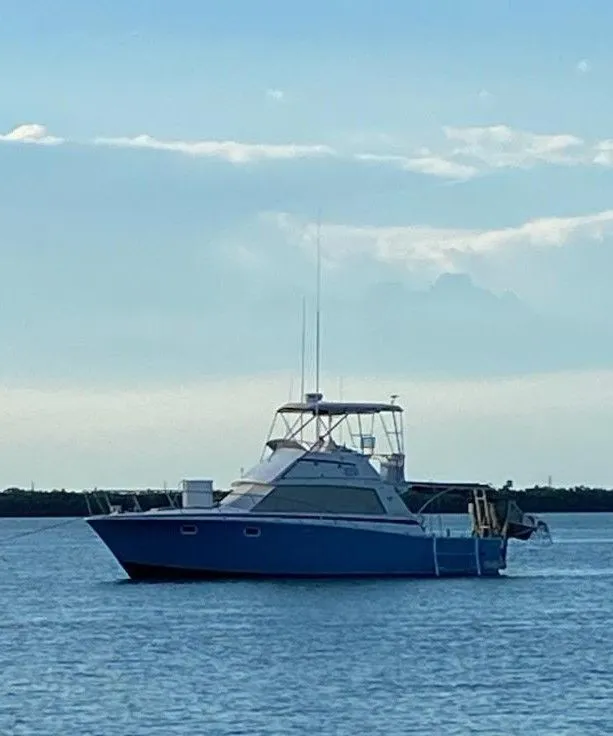
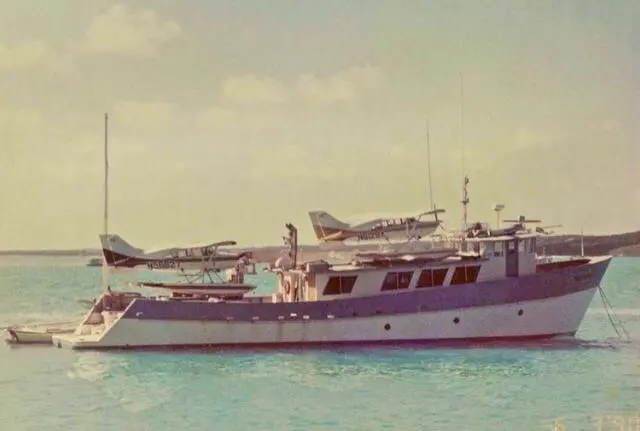
Let us talk now about treasure hunting on the 1715 Fleet, treasure boats and treasure boat crew for a few minutes here...
What sort of commitment does it take to run a 1715 salvage effort?
Total. If I see anyone involved in 'The Biz" anywhere at any time, they are working the Fleet, talking about working the Fleet, thinking about working the fleet or getting something ready to work on the Fleet. For the most part we don't fish, we don't lobster, we don't take dive vacations, we don't enjoy pina coladas, long walks on the beach or getting caught in the rain, either. Obsessed? Perhaps.
>What does a treasure boat cost? One that needs a lot of work will cost you in the range of $5000-25000 and a LOT of money as well as months to years of your life. If you want something 'ready to go" which means only a month of work - 2 nice twin blower vessels sold in the last few years for $115K and $200K.
>What does it take to run a treasure boat for a season? It takes an average of 3-6 months of boat work to get 60-75 days of digging.
-Storage or dockage...figure $300-800 per month year round.
-Insurance? $600 to $2000 annually. (Insurance is a very good idea.)
-Maintenance? $1000 - $5000 per year.
-Repairs from year to year? Somewhere between $500 and $15,000 to $OH MY GOD
-Fuel costs? Presently between $100 and $2000 per week.
-Feeding the crew lunch, buying ice and drinks? $100-$250 per week.
-Equipment? Scuba compressor - $3000 - $7500.
-Hookah compressor- $1500 - $3000.
-Metal detectors - $200 (Nokta Subdive) to $3000 (Aqua Pulse with accessories) each. Every boat has several.
-Crew percentage - full time captains and crew get a percentage of
what they find. Some get a small salary or gas money, etc. $100 to $ 500/wk.
>>How many excavations can we complete in a year? 400 to 1400, depending on many things, mostly how well the boat performs and how well the crew works together.
Now... we all get a lot of people that want to dive the Fleet. Lovely people for the most part who are often disappointed when they are not hired on or invited to come dive on a treasure boat. Believe me, I'd love to give everyone the chance to be a treasure diver, but I have to be responsible to my boat crews as well as the people who financially make this all possible. We dig 400 to 1400 holes per year. Divide all the time, effort, money and blood, sweat and tears by the number of holes we did and that is the COST PER EXCAVATION. This cost is generally somewhere between $50 and $250 per hole, widely variable of course, but time is money!
These things (and more) factor into boat efficiency:
How long does it take to get to the fuel dock and top off fuel and water?
How long to get to the site?
How long to set up on your GPS numbers for the day?
How long to blow a hole?
How long to get a diver IN the hole and detect it thoroughly?
Does the diver spend their time chasing beer cans and ghost hits?
How well does the diver communicate with the captain about conditions, strata and other issues on the bottom?
How long does it take the boat to move to the next number and dig the next hole, thus starting the procedure all over again?
Training new divers is time consuming and lowers the efficiency of the boat and crew. This is our job...not our vacation.
So how to become a treasure diver on the 1715 Fleet?
LEARN all you can about boats, diving, The Fleet, the history of treasure diving, first aid, small engine and diesel engine repair and cooking. All of these things can make you a more valuable member of the crew.
BE AVAILABLE. If we spend 3 days training you and never see you again, that is a waste of our time. Expect to spend some days being a deck hand while learning (and pulling) the ropes.
BE ABLE TO TIE A KNOT and CLEAT A LINE PROPERLY.
LEARN TO RUN A METAL DETECTOR WELL. This is not nearly as easy as it sounds, but it is the most important part of the job. Most captains agree that it is easier to make a detector expert into a treasure diver than a dive expert that doesn't know the detector part.
SHOW THE HELL UP ON TIME!!! Don't cancel 6 hrs to 15 minutes before the boat is scheduled to leave the dock, leaving the boat shorthanded and less efficient and everyone that was counting on your disappointed.
DO NOT COMPLAIN. Anything that makes you less of a delight to be around gets you less invitations.
Be willing to do whatever it takes to help the boat and crew do the job, whether it is painting the bottom or the bilge, fixing a Honda motor, helping to get ice and groceries, hauling tanks or any other entry-level taks that takes some load off the captain and crew. Learn to dive first -WAY before you ask about when you can get under the boat and work a hole.
Understand and be able to deal with task loading underwater.
Pro tip - GET AND USE AN AQUAPULSE OR PULSE 8X UNDERWATER.
Find some way to be available during April through September 1st if you want to be a full time guy/girl and get a percentage.
Be willing to throw in some money- people that are backing the operation ALWAYS go to the front of the Guest Diver line.
There is always more, but I am tired and have boat work to do tomorrow.
Still interested? Well... I know a guy..."
GOOD MORNING!!
I wrote this lengthy post last year,, but maybe some folks joined afterwards. I'm going to repost it here as a courtesy to those who missed it. If you are an experienced treasure diver and feel I missed something, please leave a comment and I may steal.. I mean add it into the post. (thanx)
SO, YOU WANT TO KNOW HOW IT WORKS??
"This is kind of long, but I strive to be comprehensive.
Let us talk now about treasure hunting on the 1715 Fleet, treasure boats and treasure boat crew for a few minutes here...
What sort of commitment does it take to run a 1715 salvage effort?
Total. If I see anyone involved in 'The Biz" anywhere at any time, they are working the Fleet, talking about working the Fleet, thinking about working the fleet or getting something ready to work on the Fleet. For the most part we don't fish, we don't lobster, we don't take dive vacations, we don't enjoy pina coladas, long walks on the beach or getting caught in the rain, either. Obsessed? Perhaps.
>What does a treasure boat cost? One that needs a lot of work will cost you in the range of $5000-25000 and a LOT of money as well as months to years of your life. If you want something 'ready to go" which means only a month of work - 2 nice twin blower vessels sold in the last few years for $115K and $200K.
>What does it take to run a treasure boat for a season? It takes an average of 3-6 months of boat work to get 60-75 days of digging.
-Storage or dockage...figure $300-800 per month year round.
-Insurance? $600 to $2000 annually. (Insurance is a very good idea.)
-Maintenance? $1000 - $5000 per year.
-Repairs from year to year? Somewhere between $500 and $15,000 to $OH MY GOD
-Fuel costs? Presently between $100 and $2000 per week.
-Feeding the crew lunch, buying ice and drinks? $100-$250 per week.
-Equipment? Scuba compressor - $3000 - $7500.
-Hookah compressor- $1500 - $3000.
-Metal detectors - $200 (Nokta Subdive) to $3000 (Aqua Pulse with accessories) each. Every boat has several.
-Crew percentage - full time captains and crew get a percentage of
what they find. Some get a small salary or gas money, etc. $100 to $ 500/wk.
>>How many excavations can we complete in a year? 400 to 1400, depending on many things, mostly how well the boat performs and how well the crew works together.
Now... we all get a lot of people that want to dive the Fleet. Lovely people for the most part who are often disappointed when they are not hired on or invited to come dive on a treasure boat. Believe me, I'd love to give everyone the chance to be a treasure diver, but I have to be responsible to my boat crews as well as the people who financially make this all possible. We dig 400 to 1400 holes per year. Divide all the time, effort, money and blood, sweat and tears by the number of holes we did and that is the COST PER EXCAVATION. This cost is generally somewhere between $50 and $250 per hole, widely variable of course, but time is money!
These things (and more) factor into boat efficiency:
How long does it take to get to the fuel dock and top off fuel and water?
How long to get to the site?
How long to set up on your GPS numbers for the day?
How long to blow a hole?
How long to get a diver IN the hole and detect it thoroughly?
Does the diver spend their time chasing beer cans and ghost hits?
How well does the diver communicate with the captain about conditions, strata and other issues on the bottom?
How long does it take the boat to move to the next number and dig the next hole, thus starting the procedure all over again?
Training new divers is time consuming and lowers the efficiency of the boat and crew. This is our job...not our vacation.
So how to become a treasure diver on the 1715 Fleet?
LEARN all you can about boats, diving, The Fleet, the history of treasure diving, first aid, small engine and diesel engine repair and cooking. All of these things can make you a more valuable member of the crew.
BE AVAILABLE. If we spend 3 days training you and never see you again, that is a waste of our time. Expect to spend some days being a deck hand while learning (and pulling) the ropes.
BE ABLE TO TIE A KNOT and CLEAT A LINE PROPERLY.
LEARN TO RUN A METAL DETECTOR WELL. This is not nearly as easy as it sounds, but it is the most important part of the job. Most captains agree that it is easier to make a detector expert into a treasure diver than a dive expert that doesn't know the detector part.
SHOW THE HELL UP ON TIME!!! Don't cancel 6 hrs to 15 minutes before the boat is scheduled to leave the dock, leaving the boat shorthanded and less efficient and everyone that was counting on your disappointed.
DO NOT COMPLAIN. Anything that makes you less of a delight to be around gets you less invitations.
Be willing to do whatever it takes to help the boat and crew do the job, whether it is painting the bottom or the bilge, fixing a Honda motor, helping to get ice and groceries, hauling tanks or any other entry-level taks that takes some load off the captain and crew. Learn to dive first -WAY before you ask about when you can get under the boat and work a hole.
Understand and be able to deal with task loading underwater.
Pro tip - GET AND USE AN AQUAPULSE OR PULSE 8X UNDERWATER.
Find some way to be available during April through September 1st if you want to be a full time guy/girl and get a percentage.
Be willing to throw in some money- people that are backing the operation ALWAYS go to the front of the Guest Diver line.
There is always more, but I am tired and have boat work to do tomorrow.
Still interested? Well... I know a guy..."
Last edited: