What's new

SPANISH COLONIAL COB COIN

Conito@55

Bronze Member
Joined
Jun 1, 2024
Messages
1,274
Reaction score
6,377
Golden Thread
1
Location
Carson City Nv
🥇 Banner finds
1
Detector(s) used
The Legend
Xp Deus2
Last weekend, some friends who are metal detector enthusiasts came to visit me, so I decided to take them to one of the many ghost towns I've visited so they could have some fun. At the end of the day, they surprised me with this gift sent directly from Mexico—a couple of cob coins.
20260921_213231.webp
20260921_213240.webp
20260921_213146.webp
20260921_213159.webp
 
Last edited:
Upvote 28
The 1st cob pictured is a Philip V, 2nd period (1724 - 1746). It was struck at the Mexico City mint under mint assayer Felipe Rivas Angulo (assayer " F "). Angulo was the mint assayer from 1730 - 1733. Your cob was struck during that period. Very nice land find.

Angulo was the typical assayer of most Mexico City silver cobs recovered from the sunken Spanish 1733 Fleet, as well as from the sunken Dutch ships: Vliegenthart (1735) & the Rooswijk (1739).

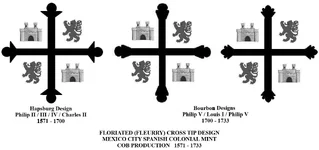
The second cob is a little tougher, with much less detail, no date, no assayer mark. Mexico City is identified by the "floriated" tip of the cross, unique to Mexico city mint (in the New World). It , also, bears the monogram (partial-upper) of PH V, but the crown base is different, indicative of an earlier issue. Most likely struck between 1701 - 1724.

The coin holders you've selected will serve as a good, secure way to store them. This gift was very nice of your buddies.

My info was taken from Dan Sedwick's "A Practical Book of Cobs", & available online photos of same issue cobs for comparison. I hope this is of help.
 

Attachments

  • Mexico City Cross.webp
    Mexico City Cross.webp
    74.3 KB · Views: 8

Users who are viewing this thread

Back
Top Bottom