KFB.
I certainly would not say there is anything wrong with the DFX. I have had my first XLT for about 8 years now. I feel like I know it pretty darn well, have founds tons of stuff with it.
I bought the DFX about 2 years ago. Used it a little but back then I didn't have as much time to hunt so I didn't use it as much. If I had time to dig, I wanted to DIG, not take the time to learn how to use the thing, and there are a few differences between the two that you really need to learn.
I have recently started reading a lot and trying to figure out the DFX. I took both the other day because I was going WAY back in the woods to my spot, If I got all the way back there and the thing started acting up and costing me too much time instead of actually digging, then I wanted to be able to go back to "old faithful".
If you have used a machine for a while, and are familiar with the basics of detecting, then I would probably recommend the DFX. I feel it is a top of the line machine with a LOT of flexibility. When I started with mine the other day, I changed several of the settings and was digging like crazy!!!!! It seemed to run pretty stable even while extremely sensitive. And as mentioned earlier today, I went back over some of the area I had covered with the XLT and found some stuff I had missed.
On a similar note, my brother talked to someone at Whites about the DFX settings (frequency in particular), he recommended the 15k setting only. I changed my machine to the 15K only to try it. I got a signal that I thought was a bullet, I then switched to the dual frequency - best data mode and got an even better signal. If you need more clarification on the 2 different frequencies/operating mode, whites website has a good video.
Hope this helps.


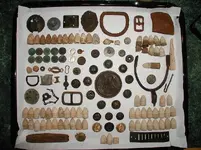
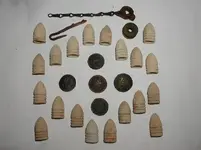

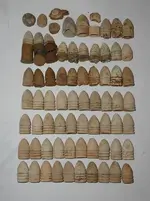


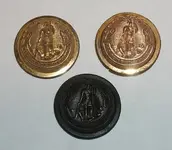

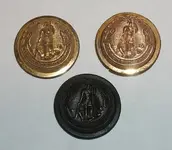


 Once I learned about Mixed Mode I went back to many sites that I beat to death with the XLT in factory modes that had been tweaked here and there...and I was shocked as to what I passed over.