Tin Mine Cornwall
Tenderfoot
- Joined
- May 28, 2021
- Messages
- 1
- Reaction score
- 2
- Golden Thread
- 0
- Location
- Falmouth / Cornwall
- Primary Interest:
- All Treasure Hunting
- #1
Thread Owner

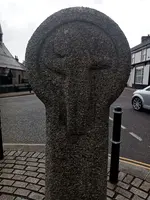
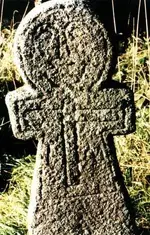
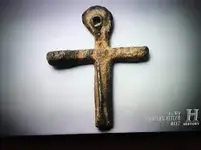
This was found in Carharrack in Cornwall and reminds me off the lead cross found on oak island . Cornwall had about 2000 Tin mines and Cornwall tin miners went all over the world to mine . Did they build the secret tunnels around the money pit ?
This was found in Carharrack in Cornwall and reminds me off the lead cross found on oak island . Cornwall had about 2000 Tin mines and Cornwall tin miners went all over the world to mine . Did they build the secret tunnels around the money pit ?

This was found in Carharrack in Cornwall and reminds me off the lead cross found on oak island . Cornwall had about 2000 Tin mines and Cornwall tin miners went all over the world to mine . Did they build the secret tunnels around the money pit ?
Yes but even earlier than you might imagine around the 6th Century.

This was found in Carharrack in Cornwall and reminds me off the lead cross found on oak island . Cornwall had about 2000 Tin mines and Cornwall tin miners went all over the world to mine . Did they build the secret tunnels around the money pit ?
During the last 100 years, extensive archaeological research has changed our understanding of the mounds. They are no longer viewed as isolated monuments created by a mysterious race. Instead, the mounds of North America have been proven to be constructions by Native American peoples for a variety of purposes. Today, some tribes, like the Mississippi Band of Choctaw, view these mounds as central places tying their communities to their ancestral lands. Similar to other ancient cities throughout the world, Native North Americans venerate their ties to history through the places they built.
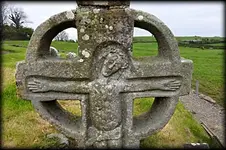
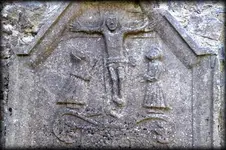
I believe you are on to something with the similarities of Irish Crosses and the Catholic Crosses of the Cornish Tin Miners across the Celtic Sea... in Cornwall, and the Cross found on Oak Island.
"There were 7,000 or more Welsh came to this continent in AD574 aboard 700 ships. Now that is a fact.
They had cities and fortifications all over what is now America. They built over 100,000 burial mounds...
Their kingdom spread from Nova Scotia to Florida and Texas and out west to Arizona and Montana. Now this is a fact".
-Franklin November 18, 2020
There is NO evidence outside of the alternative pseudo history books of charlatan historians Alan Wilson and Baram Blackett that the Welsh ever voyaged to America in 700 ships in the 6th century. NONE!
The Welsh as well as other 6th century nationalities did not possess ships capable of an Atlantic voyage, and the burial mounds in North America were constructed by the original Native Americans, NOT by the Welsh.
If one can not produce hard documented fact supported proof of this 574AD voyage, this false nonsense history needs to end
How many times and how many years have you said you will prove me wrong?...
I will still prove you wrong even more in the future hang in there.
Apophenia runs deep on these threads in those who promote their per theories on an unproven deposit of treasure on Oak Island.I believe you are on to something with the similarities of Irish Crosses and the Catholic Crosses of the Cornish Tin Miners across the Celtic Sea... in Cornwall, and the Cross found on Oak Island.
Both have crosses with outstretched arms.
These Miners worked for the British Royal Navy who my Theory names as the Original Depositors.
How many times and how many years have you said you will prove me wrong?
Hasn't happened yet, but you HAVE been proven wrong many times over the years.
How many times and how many years have you said you will prove me wrong?
Hasn't happened yet, but you HAVE been proven wrong many times over the years.
Because I left off a zero while typing your quote?I just proved you were wrong 6 hours ago. Join the club.
The alleged Templar cross found on Oak Island actually resembles a key used to turn on a plumber's acetylene tank from the 1950-1960's. Note the square hole to fit the stem and extended "arms" for on and off gripping.I believe you are on to something with the similarities of Irish Crosses and the Catholic Crosses of the Cornish Tin Miners across the Celtic Sea... in Cornwall, and the Cross found on Oak Island.


Both have crosses with outstretched arms.
These Miners worked for the British Royal Navy who my Theory names as the Original Depositors.