On of the drivers is US currency is vastly over inflated. Successive governments over the years have been printing money they do not have. The U.S. has billions of Federal Reserve Notes in circulation, with estimates around 47 billion individual notes totaling over $2.3 trillion in value as of early 2025, though the exact number fluctuates; the Federal Reserve orders new notes (like 4-6 billion annually recently) for replacement and growth, with the high-denomination $100 bill being the most printed, followed by the common $1 and $20 bills.
The US dollar is the international currency in which large transactions between countries have since WW2 have been trading with US currency. This has contributed in making USA one of most wealthy countries in history. Having the US dollars as international currency gave the united state unparalleled power in enforcing sanctions and economic corrosion. However BRICS countries formed collectively have a larger population—over 3.3 billion, that made international deals now not in US currency. Thus the value of US dollar is vastly over priced.
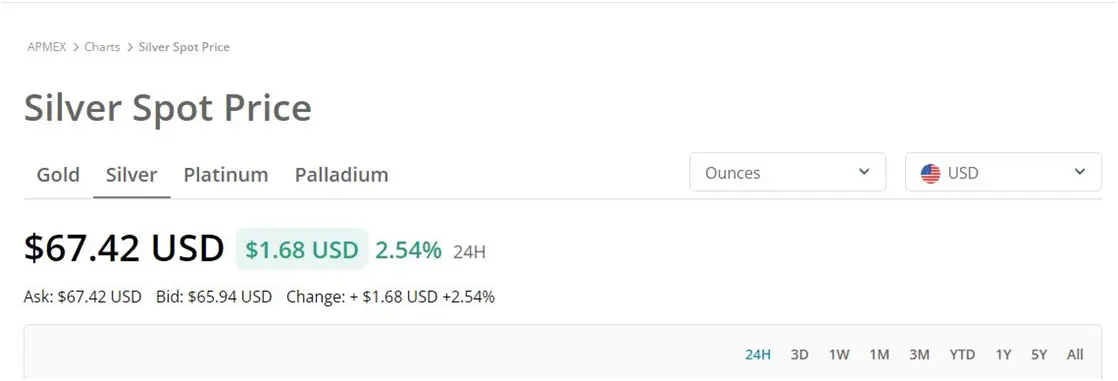
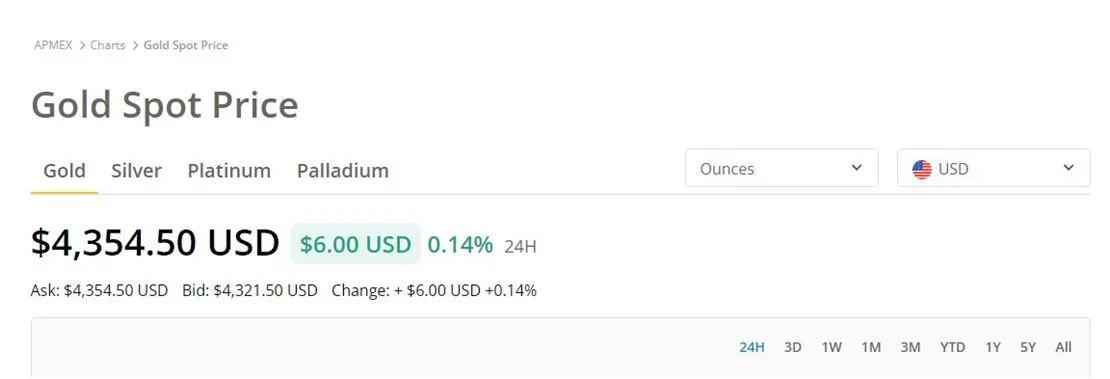
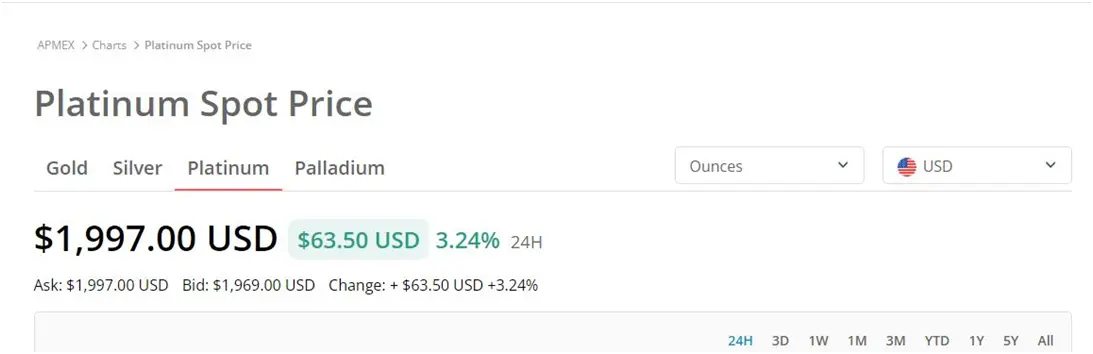
This is why there is a growing market trend to invest in gold and silver.
The USA is 38 trillion in debt. They need to pay one trillion a year in interest that they need to pay. China has 18 trillion in debt. Japan 9 trillion debt. The UK has 3.7 trillion in debt. France is 9.15 trillion in debt.Germany has 3;2 trillion in Debt. So it gives you an idea why local public services are run down. You cannot rob Peter to pay paul forever..
Who owns the debt? In short all of us. As countries buy and invest in US Treasury Bonds in effect invest in buying US Debt. U.S. Treasury bonds pay a fixed interest rate (coupon) set at auction, typically semi-annually, with recent 10-year yields around 4.12% and 30-year yields near 4.7-4.8%, though actual earnings depend on when you buy (market price) and the bond's maturity, with rates changing based on market conditions For instance, new 30-year bonds might have a 4.625% coupon, while older bonds' market yields fluctuate.
China now ranks third, holding USD 765.4 billion. Japan remains the largest holder, with USD 1.13 trillion in US Treasuries. The United States pays interest on approximately $850 billion in debt held by the People's Republic of China. Here is a list below of countries investing in united States debt.
Japan $1.13 trillion
United Kingdom $807.7 billion
China $757.2 billion
Cayman Islands $448.3 billion
Belgium $411.0 billion
Luxembourg $410.9 billion
Canada $368.4 billion
France $360.6 billion
Ireland $339.9 billion
Switzerland $310.9 billion
Taiwan $298.8 billion
Singapore $247.7 billion
Hong Kong $247.1 billion
India $232.5 billion
Brazil $212.0 billion
Norway $195.9 billion
Saudi Arabia $133.8 billion
South Korea $121.7 billion
United Arab Emirates $112.9 billion
Germany $110.4 billion
Australia doesn't hold a massive amount of US Treasury Bonds compared to major players like Japan or China; while specific recent figures vary slightly by source, Australia's holdings were around $50-60 billion USD as of late 2023/early 2024, placing it much lower down the list of top foreign holders, which are dominated by Japan and China. Australia's own debt levels are also relatively low internationally, but it does borrow globally, including from diverse sources. Australia's national debt per person has risen significantly, with figures around $32,000 - $34,000 USD per person in 2024, projected to hit over $50,000 USD by 2025, most countries currency is over valued. Countries cannot devalue their currency to true worth because it would increase inflation. as we trapped in end less growing debt and inflation cycle.
China's national debt per person isn't a single, universally agreed-upon figure due to complex government structures (central vs. local), but estimates place it significantly, with figures suggesting around $11,700 - $12,000 USD per person: China's household debt reached approximately $11.7 trillion in late 2025, divided by China's large population, giving a figure in this range. and much higher total debt when including massive local government/implicit obligations, potentially reaching thousands of dollars per person when factoring total government liabilities 13.5 Trillion relative to its large population (over 1.4 billion), But CCP do not want to release the exact figures. Nearly 300% of GDP: Total debt (corporate, government, household) is estimated to be around 25 trillion 300% of China's GDP, a level considered high and a major economic concern. Taking the context of wages per debt level The average wage in China varies significantly, but recent data shows the national average annual salary for urban employees around 120,000 CNY (approx. $16,500 USD in late 2024/2025 rates)
Each country has debt per person ratio. In one way or another we suffer consequences.
And of the balance owed of US debt. You guys and gals each one of you. As of late 2025, the U.S. national debt is over $38 trillion, meaning each American man, woman, and child's share is roughly $110,000 to $112,000, a figure calculated by dividing the total debt by the U.S. population, showing a significant burden and increasing debt-to-GDP ratio.
The UK's national debt per person fluctuates with exchange rates and data sources, but recent figures (late 2024/2025) place it roughly around $150,000 to over $170,000 USD per person even worse than USA.
If the American debt defaults and economy tank it just does not effect the United States but around the world. All of this above are drivers for investment from concerned investors into gold and silver.
Crow