
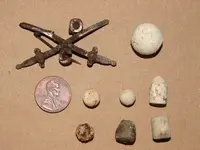
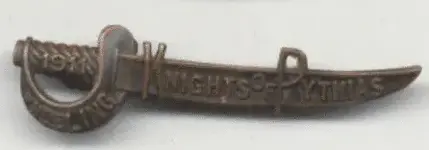
Went to a local park but ended up going to an area that I had detected before but did not put much time into it and never really found anything. I ended up finding some lead and a pin. I found all the lead pretty deep. Some of the smaller ones were close to 9 inches. Found the pin in the same area. Dont know if it's more modern or something from the civil war era too. I have searched on Google but cant find anything. Any ideas. Thanks.
You are using an out of date browser. It may not display this or other websites correctly.
You should upgrade or use an alternative browser.
You should upgrade or use an alternative browser.
Help with ID on military looking pin
- Thread starter Bill_S
- Start date

SODABOTTLEBOB
Silver Member
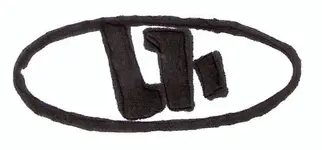
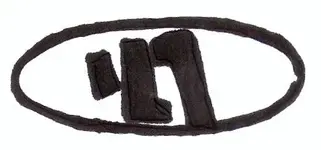
Here's what I see in the little oval on the lower right handle on the back of the pin.
Four makers of Knights of Pythias regalia ...
1. Cincinnati Regalia Co ~ Ohio
2. Pettibone Mfg. ~ Cincinnati, Ohio
3. M.C. Lilley Co. ~ Columbus, Ohio
4. N.P. Ames/Mfg. Co. ~ Cabotville, Mass.
5. The E.A. Armstrong Company ~ Detroit, Michigan
6. D. Kliein & Brother ~ Philidelphia, PA.
Sword Collectors/Makers Link: http://www.angelfire.com/wa/swordcollector/
Mark Upright and Rotated
Four makers of Knights of Pythias regalia ...
1. Cincinnati Regalia Co ~ Ohio
2. Pettibone Mfg. ~ Cincinnati, Ohio
3. M.C. Lilley Co. ~ Columbus, Ohio
4. N.P. Ames/Mfg. Co. ~ Cabotville, Mass.
5. The E.A. Armstrong Company ~ Detroit, Michigan
6. D. Kliein & Brother ~ Philidelphia, PA.
Sword Collectors/Makers Link: http://www.angelfire.com/wa/swordcollector/
Mark Upright and Rotated
Attachments
Upvote
0

Bigcypresshunter
Sapphire Member
- Joined
- Dec 15, 2004
- Messages
- 27,124
- Reaction score
- 3,351
- Golden Thread
- 0
- Location
- South Florida
- Detector(s) used
- 70's Whites TM Amphibian, HH Pulse, Ace 250
- Primary Interest:
- Beach & Shallow Water Hunting
I believe its the same pin but maybe a different manufacturer. Or maybe its not altered. I cant tell with the zoom. There is not enough pixels.SODABOTTLEBOB said:Big Cy ~
Here's the best I could do with highlighting the front and back of the W. VA. pin. Other than the letters/number, I honestly believe it's the same pin as Bill_S's. If there is a makers mark, it might be on the handle on the lower right. Zoom to 400% and see what you think.
Bob
I will wait for a new pic. I believe you are the man for the job to try and contact the owner. I give up so easily.
They must have been made to order. They must be in a catalog.
Upvote
0

TheCannonballGuy
Gold Member
- Joined
- Feb 24, 2006
- Messages
- 6,614
- Reaction score
- 13,465
- Golden Thread
- 0
- Location
- Occupied CSA (Richmond VA)
- Detector(s) used
- White's 6000, Nautilus DMC-1, Minelab
- Primary Interest:
- Relic Hunting
BigCypressHunter wrote:
> What if the WVA pin doesnt have the UR clamshell? Would we be back to square 1?
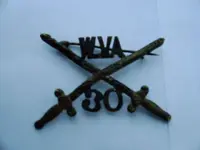
While you were absent, way back on Sept. 15th, in my Reply #224 I showed that the W VA pin has the Knights of Pythias symbol in the exact same spot that Bill_S's pin has it. Also, both his pin and the WVA pin have the (UR) clamshell on the swords' crossguard.
> Allan says ... "Possible African American Uniform Rank Pin"
> Bob says .... "Possible Youth or Convention Souvenir Pin"
> Could you guys sum up the past 2 pages in one paragraph for the mentally handicapped like myself?
> I got lost after the UR clamshell logo was solved.
Well... summarizing everybody's posts would be a lot of labor. (And, I wouldn't want to run the risk of misinterpreting anything they said.) So, here's a summary of my own posts in this discussion, or at least, the ones during the past 9 days. (I've added some new comments in places, particularly at the end of this post.)
Also way back on Sept. 15th, in my Reply #227, I said:
"Based on that, and the W Va pin, and the Missouri KoP-UR listings, I now lean toward thinking the missing letter on Bill_S's pin was an M ...being MO above the swords, and C below the swords ...representing "Negro" KoP-UR Missouri unit Company C ...located in Mound City, MO."
"Or perhaps, Missouri ["Negro'] KoP-UR cavalry troop C. I noticed that there is a troop A is in the Missouri ["Negro"] KoP-UR listings."
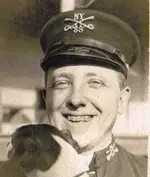
In my Sept. 17th reply (#280), writing in response to SodaBottleBob's question about the numbers on KoP-UR hat insignia, I said "the KoP Uniformed Rank organization imitated the American Military's terminology." The KoP-UR's crossed-swords pin and crossed-rifles pin are a mimic (a non-exact imitation) of the US Army's insignia pins at that specific time-period in history (1880s-to-1920s). Just like on the US Army (and National Guard) insignia-pins, the letters above and below the crossed weapons are a State's abbreviation, or a Company letter, and the numbers are a Regiment number.
In the paragraph above, I said "The KoP-UR's crossed-swords pin and crossed-rifles pin are a mimic (a non-exact imitation) of the US Army's insignia pins." Here's the explanation of "mimic":
1- At the time that BILL_S's pin and the WVA pin were manufactured, the US Army's insignia for cavalry was crossed sabers (whose blades are curved, and have a large C-shaped handguard). The KoP-UR's "mimic" insignia for its Cavalry units was crossed-longswords (straight-bladed).
2- At that time, the US Army's insignia for Infantry was croosed MUSKETS (muzzle-loading rifles with a large trigger-guard and a large external hammer at the rear of the barrel). The KoP-UR's "mimic" insignia for its Infantry units was crossed Springfield .30-06 rifles (breechloading rifles with no external hammer).
Sidenote: The Springfield .30-06 was the US Model-1903 Army rifle. So, the KoP-UR insignia showing that rifle cannot date back before 1903.
In my Sept. 19th reply (#305), I said "I said I think that due to the pin's apparent extreme rarity, it may be from the African-American ("Negro") Knights of Pythias Uniformed Rank organization -- which late-1800s/early-1900s historical documents show as having many local units in Missouri, where this pin was excavated."
In reading the KoP-UR's official Regulations, I came across a rule that members were required to purchase the organization's insignia at their own (personal) expense, rather than deplete the organization's Treasury by making the organization supply the insignia to members for free.
The "Negro" KoP-UR was of course much smaller, and POORER, than its Caucasian (white) counterpart organization. So, the personal-purchase rule created a serious problem for the "Negro" KoP-UR's membership. I can tell you from personal experience that getting a Manufacturer to produce a "custom-made" item for you is extremely expensive. Creating a mold or a metal-stamping die for producing an insignia which nobody but your little group will want to buy is going to cost you a chunk of money. It could be said that the very first one of your custom-made insignia pins to come out of the mold (or machine) will cost you $1,000 (in today's dollars, not 1910-era dollars). The next 99 or 999 cost you about $2 each, because the big expense was paying for the custom-made mold (or metal-stamping die) to be crafted. Therefore, only a few "Negro" KoP-UR units could come up with that much cash to convince a Manufacturer (such as the N.S. Meyer Company) to produce the unit's "mimic" of a US Army insignia.
I believe that is a plausible explanation for the radically extreme rarity of these "Negro" KoP-UR "mimics" of US Army insignia.
Furthermore, the "original" official Regulations of the KoP-UR stated that their insignia were to be silver (or at least, silver-plated.). That, of course, adds significantly to the insignia's cost. Note that Bill_S's crossed-longswords pin is silver-plated. Thus, I suspect that the WVA pin is also silverplated ...but appears dark because it has not been cleaned. I can only assume that by 1905, when the KoP-UR crossed Springfiled Rifles pin was made, the Regulations had been relaxed to permit non-silver insignia.
Also (as I think I mentioned in a previous post), note that in addition to being silver-plated, Bill_S's pin is a solid-cast brass insignia ...significantly more costly to manufacture than the WVA pin, which is an inexpensively-produced thin stamped-brass-sheetmetal object. Clearly, that WVA "Negro" KoP-UR unit was trying to save its members some money on the production-cost of the insignia.
Then, at some point of time, apparently in the early-1900s, costs for KoP-UR members were further reduced, by permitting the use of cheap stamped-brass non-silverplated insignia.
> What if the WVA pin doesnt have the UR clamshell? Would we be back to square 1?
While you were absent, way back on Sept. 15th, in my Reply #224 I showed that the W VA pin has the Knights of Pythias symbol in the exact same spot that Bill_S's pin has it. Also, both his pin and the WVA pin have the (UR) clamshell on the swords' crossguard.
> Allan says ... "Possible African American Uniform Rank Pin"
> Bob says .... "Possible Youth or Convention Souvenir Pin"
> Could you guys sum up the past 2 pages in one paragraph for the mentally handicapped like myself?
> I got lost after the UR clamshell logo was solved.
Well... summarizing everybody's posts would be a lot of labor. (And, I wouldn't want to run the risk of misinterpreting anything they said.) So, here's a summary of my own posts in this discussion, or at least, the ones during the past 9 days. (I've added some new comments in places, particularly at the end of this post.)
Also way back on Sept. 15th, in my Reply #227, I said:
"Based on that, and the W Va pin, and the Missouri KoP-UR listings, I now lean toward thinking the missing letter on Bill_S's pin was an M ...being MO above the swords, and C below the swords ...representing "Negro" KoP-UR Missouri unit Company C ...located in Mound City, MO."
"Or perhaps, Missouri ["Negro'] KoP-UR cavalry troop C. I noticed that there is a troop A is in the Missouri ["Negro"] KoP-UR listings."
In my Sept. 17th reply (#280), writing in response to SodaBottleBob's question about the numbers on KoP-UR hat insignia, I said "the KoP Uniformed Rank organization imitated the American Military's terminology." The KoP-UR's crossed-swords pin and crossed-rifles pin are a mimic (a non-exact imitation) of the US Army's insignia pins at that specific time-period in history (1880s-to-1920s). Just like on the US Army (and National Guard) insignia-pins, the letters above and below the crossed weapons are a State's abbreviation, or a Company letter, and the numbers are a Regiment number.
In the paragraph above, I said "The KoP-UR's crossed-swords pin and crossed-rifles pin are a mimic (a non-exact imitation) of the US Army's insignia pins." Here's the explanation of "mimic":
1- At the time that BILL_S's pin and the WVA pin were manufactured, the US Army's insignia for cavalry was crossed sabers (whose blades are curved, and have a large C-shaped handguard). The KoP-UR's "mimic" insignia for its Cavalry units was crossed-longswords (straight-bladed).
2- At that time, the US Army's insignia for Infantry was croosed MUSKETS (muzzle-loading rifles with a large trigger-guard and a large external hammer at the rear of the barrel). The KoP-UR's "mimic" insignia for its Infantry units was crossed Springfield .30-06 rifles (breechloading rifles with no external hammer).
Sidenote: The Springfield .30-06 was the US Model-1903 Army rifle. So, the KoP-UR insignia showing that rifle cannot date back before 1903.
In my Sept. 19th reply (#305), I said "I said I think that due to the pin's apparent extreme rarity, it may be from the African-American ("Negro") Knights of Pythias Uniformed Rank organization -- which late-1800s/early-1900s historical documents show as having many local units in Missouri, where this pin was excavated."
In reading the KoP-UR's official Regulations, I came across a rule that members were required to purchase the organization's insignia at their own (personal) expense, rather than deplete the organization's Treasury by making the organization supply the insignia to members for free.
The "Negro" KoP-UR was of course much smaller, and POORER, than its Caucasian (white) counterpart organization. So, the personal-purchase rule created a serious problem for the "Negro" KoP-UR's membership. I can tell you from personal experience that getting a Manufacturer to produce a "custom-made" item for you is extremely expensive. Creating a mold or a metal-stamping die for producing an insignia which nobody but your little group will want to buy is going to cost you a chunk of money. It could be said that the very first one of your custom-made insignia pins to come out of the mold (or machine) will cost you $1,000 (in today's dollars, not 1910-era dollars). The next 99 or 999 cost you about $2 each, because the big expense was paying for the custom-made mold (or metal-stamping die) to be crafted. Therefore, only a few "Negro" KoP-UR units could come up with that much cash to convince a Manufacturer (such as the N.S. Meyer Company) to produce the unit's "mimic" of a US Army insignia.
I believe that is a plausible explanation for the radically extreme rarity of these "Negro" KoP-UR "mimics" of US Army insignia.
Furthermore, the "original" official Regulations of the KoP-UR stated that their insignia were to be silver (or at least, silver-plated.). That, of course, adds significantly to the insignia's cost. Note that Bill_S's crossed-longswords pin is silver-plated. Thus, I suspect that the WVA pin is also silverplated ...but appears dark because it has not been cleaned. I can only assume that by 1905, when the KoP-UR crossed Springfiled Rifles pin was made, the Regulations had been relaxed to permit non-silver insignia.
Also (as I think I mentioned in a previous post), note that in addition to being silver-plated, Bill_S's pin is a solid-cast brass insignia ...significantly more costly to manufacture than the WVA pin, which is an inexpensively-produced thin stamped-brass-sheetmetal object. Clearly, that WVA "Negro" KoP-UR unit was trying to save its members some money on the production-cost of the insignia.
Then, at some point of time, apparently in the early-1900s, costs for KoP-UR members were further reduced, by permitting the use of cheap stamped-brass non-silverplated insignia.
Attachments
-
 insignia_cavalry_NewYorkNationalGuard_collar-AND-hat-sizes_WorldWarOne.webp22.5 KB · Views: 365
 -
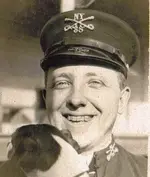 insignia_cavalry_NewYorkNationalGuard_collar-AND-hat-sizes_WorldWarOne.webp22.5 KB · Views: 342
 -
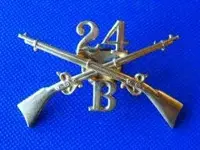 insignia_Infantry_US_crossed-muskets_WorldWar1_24InfantryCompanyB.webp11.5 KB · Views: 348
 -
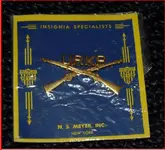 insignia_Kop-UR_crossed-Springfield-Rifles_pin-designated-1905.webp26.9 KB · Views: 341
Upvote
0
TheCannonballGuy
Gold Member
- Joined
- Feb 24, 2006
- Messages
- 6,614
- Reaction score
- 13,465
- Golden Thread
- 0
- Location
- Occupied CSA (Richmond VA)
- Detector(s) used
- White's 6000, Nautilus DMC-1, Minelab
- Primary Interest:
- Relic Hunting
BigCypressHunter, it took me a long time to type my prior post (above). I did not see your most-recent posts until after my very-lengthy one posted. You've reached some of the same conclusions I did, such as cast versus stamped-brass. Let me compliment your powers of close-up analytical observation. 
I feel the four of us who are still contributing (SodaBottleBob, Allan, you, and me) will solve the mystery eventually. Go team go!
I feel the four of us who are still contributing (SodaBottleBob, Allan, you, and me) will solve the mystery eventually. Go team go!
Upvote
0
Bigcypresshunter
Sapphire Member
- Joined
- Dec 15, 2004
- Messages
- 27,124
- Reaction score
- 3,351
- Golden Thread
- 0
- Location
- South Florida
- Detector(s) used
- 70's Whites TM Amphibian, HH Pulse, Ace 250
- Primary Interest:
- Beach & Shallow Water Hunting
I have fallen way behind. Im just watching/waiting at this point and searching for easier threads to solve.  I do see something on the WVA clamshells but its its such a poor quality picture and way too dark and out of focus for my eyes.
Ill take your word for it and chances are its the same. Does that mean its the same manufacturer with a mail order catalog for several states? http://forum.treasurenet.com/index.php/topic,422439.msg3022264.html#msg3022264
I do see something on the WVA clamshells but its its such a poor quality picture and way too dark and out of focus for my eyes. Ill take your word for it and chances are its the same. Does that mean its the same manufacturer with a mail order catalog for several states? http://forum.treasurenet.com/index.php/topic,422439.msg3022264.html#msg3022264
Attachments
Upvote
0
SODABOTTLEBOB
Silver Member
~ If this one doesn't blow your mind, nothing will ~
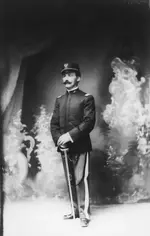
But before you look into this, I want to point out that I am somewhat skeptical that the uniform referred to is even a Knights of Pythias. And yet, it is from a University of California historical archives with detailed information. Surely it must be based on confirmed research. I'm just not sure. You be the judge and let me know what you think.
Instructions:
First: Open the link and read the detail information about the photograph.
Second: Click where it says "Image with Details." ~ experiment with it ~ and you will soon discover that it has an amazing zoom feature. It even allows you to "box" a specific area for closer examination.
Third: Zoom in on the "Collar Pin." It will be slightly blurry ~ but still clear enough to make out.
Fourth: Is the collar pin "Crossed Swords" ~ "Crossed Rifles" ~ or "Something Else?"
Whatever it is ~ I have never seen another "Knights of Pythias" pin quite like it. I have looked at it at least a dozen times and am still scratching my head.
Note: There are some other KOP photos on the site. Check them out!
What do you think?

SBB
Link: http://content.cdlib.org/ark:/13030/kt1000181h/?layout=metadata&brand=calisphere
But before you look into this, I want to point out that I am somewhat skeptical that the uniform referred to is even a Knights of Pythias. And yet, it is from a University of California historical archives with detailed information. Surely it must be based on confirmed research. I'm just not sure. You be the judge and let me know what you think.
Instructions:
First: Open the link and read the detail information about the photograph.
Second: Click where it says "Image with Details." ~ experiment with it ~ and you will soon discover that it has an amazing zoom feature. It even allows you to "box" a specific area for closer examination.
Third: Zoom in on the "Collar Pin." It will be slightly blurry ~ but still clear enough to make out.
Fourth: Is the collar pin "Crossed Swords" ~ "Crossed Rifles" ~ or "Something Else?"
Whatever it is ~ I have never seen another "Knights of Pythias" pin quite like it. I have looked at it at least a dozen times and am still scratching my head.
Note: There are some other KOP photos on the site. Check them out!
What do you think?
SBB
Link: http://content.cdlib.org/ark:/13030/kt1000181h/?layout=metadata&brand=calisphere
Attachments
Upvote
0
SODABOTTLEBOB
Silver Member
allan ~
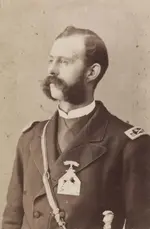
The shoulder board/patch on the picture you posted has already been confirmed as being ...
Crossed "Axes"
Which is what the one on that website might be too ~ but I don't think it is
Bob
The shoulder board/patch on the picture you posted has already been confirmed as being ...
Crossed "Axes"
Which is what the one on that website might be too ~ but I don't think it is
Bob
Upvote
0

SODABOTTLEBOB
Silver Member
I am currently searching for a Knights of Pythias emblem that will match the one on the guy's hat. It is definitely a ...
"Winged Eagle"
I have not seen an emblem like that yet that is connected with the KOP, but will continue to search. All of my kepis are embroidered with a "Lily" and a number.
SBB
"Winged Eagle"
I have not seen an emblem like that yet that is connected with the KOP, but will continue to search. All of my kepis are embroidered with a "Lily" and a number.
SBB
Upvote
0
Bigcypresshunter
Sapphire Member
- Joined
- Dec 15, 2004
- Messages
- 27,124
- Reaction score
- 3,351
- Golden Thread
- 0
- Location
- South Florida
- Detector(s) used
- 70's Whites TM Amphibian, HH Pulse, Ace 250
- Primary Interest:
- Beach & Shallow Water Hunting
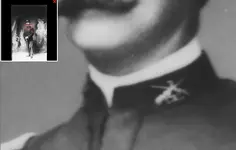
It may have a rifle involved.SODABOTTLEBOB said:~ If this one doesn't blow your mind, nothing will ~
But before you look into this, I want to point out that I am somewhat skeptical that the uniform referred to is even a Knights of Pythias. And yet, it is from a University of California historical archives with detailed information. Surely it must be based on confirmed research. I'm just not sure. You be the judge and let me know what you think.
Instructions:
First: Open the link and read the detail information about the photograph.
Second: Click where it says "Image with Details." ~ experiment with it ~ and you will soon discover that it has an amazing zoom feature. It even allows you to "box" a specific area for closer examination.
Third: Zoom in on the "Collar Pin." It will be slightly blurry ~ but still clear enough to make out.
Fourth: Is the collar pin "Crossed Swords" ~ "Crossed Rifles" ~ or "Something Else?"
It makes me think the OPs item may be a Collar Pin, not a Hat Pin. I dont know if thats already been mentioned. The pin back is not a hat type.
Attachments
Upvote
0
SODABOTTLEBOB
Silver Member
Big Cy ~
Thanks for the close up image. I never even attempted to save one. Good job!
But I am still in doubt as to whether the uniform itself is Knights of Pythias. I cannot find a "Eagle Pin" anywhere.
How'z about a close up of the hat pin now? I can't figure out how to do it.
Thanks.
Bob
Thanks for the close up image. I never even attempted to save one. Good job!
But I am still in doubt as to whether the uniform itself is Knights of Pythias. I cannot find a "Eagle Pin" anywhere.
How'z about a close up of the hat pin now? I can't figure out how to do it.
Thanks.
Bob
Upvote
0
Bigcypresshunter
Sapphire Member
- Joined
- Dec 15, 2004
- Messages
- 27,124
- Reaction score
- 3,351
- Golden Thread
- 0
- Location
- South Florida
- Detector(s) used
- 70's Whites TM Amphibian, HH Pulse, Ace 250
- Primary Interest:
- Beach & Shallow Water Hunting
Click on "Print Screen" button to save to clipboard..
Open "Irvanview" or whatever editting program you use
Click on "Edit" and "Paste"
Click on Save as...
Open "Irvanview" or whatever editting program you use
Click on "Edit" and "Paste"
Click on Save as...
Upvote
0
SODABOTTLEBOB
Silver Member
Big Cy ~
Thanks. I'll try it.
I may have to challenge the University of California regarding their description of the uniform in question. Other than their seemingly detailed declaration, I can find nothing to confirm that it's a Knights of Pythias uniform. What do the rest of you think?
Thanks.
SBB
Thanks. I'll try it.
I may have to challenge the University of California regarding their description of the uniform in question. Other than their seemingly detailed declaration, I can find nothing to confirm that it's a Knights of Pythias uniform. What do the rest of you think?
Thanks.
SBB
Upvote
0
SODABOTTLEBOB
Silver Member
I have to call it quits for today. I actually have a life beyond this thread. Lol. It's starting to look as if instead of solving one mystery, I just created a new one. Dang! I can't find a match for either pin connected to our so called Knights of Pythias guy. Oh well, life goes on.
See ya later alligators.
Bob
See ya later alligators.
Bob
Upvote
0
SODABOTTLEBOB
Silver Member
P.S. ~
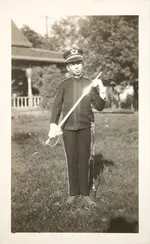
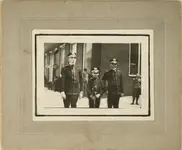
I forgot to mention that I registered with the forum where I found the W. VA. pin. I have to wait for "approval" before posting a reply. It said it would not take long, but may be Monday before I actually hear from them. In the meantime, here's something else to chew on. It is a picture a ...
"Knights of Pythias Youth Mascot"
I have done a little more research in this area, but no crossed swords pin yet. But this picture and other information like it will confirm that the KOP did in fact include youth members. I suspect anything related to the youth organizations would be rare in itself.
Notice the similarity of the uniforms shown here and the one worn by our mystery guy.
Later.
Bob
~ Both pictures circa 1912 ~ KOP Mascot ~ William Alexander Roth ~
I forgot to mention that I registered with the forum where I found the W. VA. pin. I have to wait for "approval" before posting a reply. It said it would not take long, but may be Monday before I actually hear from them. In the meantime, here's something else to chew on. It is a picture a ...
"Knights of Pythias Youth Mascot"
I have done a little more research in this area, but no crossed swords pin yet. But this picture and other information like it will confirm that the KOP did in fact include youth members. I suspect anything related to the youth organizations would be rare in itself.
Notice the similarity of the uniforms shown here and the one worn by our mystery guy.
Later.
Bob
~ Both pictures circa 1912 ~ KOP Mascot ~ William Alexander Roth ~
Attachments
Upvote
0
SODABOTTLEBOB
Silver Member
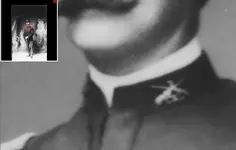
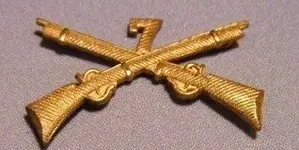
After doing some considerable research, I am fairly certain our mystery guy is in fact wearing a Knights of Pythias uniform. But since the collar pin looks more like crossed rifles with a 7 than it does crossed swords, I suspect the pin may be a carry over from his military days. The pin below is described as ...
Crossed Rifles Collar Pin ~ USV-7th Infantry ~ 1895 thru 1902
(This is not proof positive ~ but very possible)
Crossed Rifles Collar Pin ~ USV-7th Infantry ~ 1895 thru 1902
(This is not proof positive ~ but very possible)
Attachments
Upvote
0
allan
Hero Member
I was going over my notes and saw this for the second time
The Joplin Light Infantry, Company G, was mustered December 30,
1890, and completed the organization of the regiment, which was now <<<<<< regiments completed dec. 1890
divided into battalions, in accordance with the new United States
army drill regulations.
Letters Replace Old Names
The local names were now dropped and 'the several organizations
designated by letters. In assigning the letters priority was given to the
company in the order of its organization. The companies were desig-
nated as follows : Company A, Carthage Light Guard ; Company B, But-
ler Rifles; Company C, El Dorado Guard; Company D, Sedalia Rifles;
Company E, Pierce City Guards ; Company F, Springfield Rifles ; Com-
pany G, Joplin Light Infantry, and Company H, Nevada Light Infantry.
Company C was disbanded shortly after the organization of the <<<<<< so sometime in 1891 ? the C company ceased to exist
regiment,
so this would mean that pin could only date from the el dorado guard's UR start date, so if the mound city company C became the el dorado company C until the regiment change in Dec. 1890, now if they are not that group I have even more reading to do . Bob , if thats the pin they went to after the Ccompany change it could explain that crossed rifle pin.....? Now to find my info on the Mound City UR formation date to be exact and here is a treat for you buddy
The Joplin Light Infantry, Company G, was mustered December 30,
1890, and completed the organization of the regiment, which was now <<<<<< regiments completed dec. 1890
divided into battalions, in accordance with the new United States
army drill regulations.
Letters Replace Old Names
The local names were now dropped and 'the several organizations
designated by letters. In assigning the letters priority was given to the
company in the order of its organization. The companies were desig-
nated as follows : Company A, Carthage Light Guard ; Company B, But-
ler Rifles; Company C, El Dorado Guard; Company D, Sedalia Rifles;
Company E, Pierce City Guards ; Company F, Springfield Rifles ; Com-
pany G, Joplin Light Infantry, and Company H, Nevada Light Infantry.
Company C was disbanded shortly after the organization of the <<<<<< so sometime in 1891 ? the C company ceased to exist
regiment,
so this would mean that pin could only date from the el dorado guard's UR start date, so if the mound city company C became the el dorado company C until the regiment change in Dec. 1890, now if they are not that group I have even more reading to do . Bob , if thats the pin they went to after the Ccompany change it could explain that crossed rifle pin.....? Now to find my info on the Mound City UR formation date to be exact and here is a treat for you buddy
Attachments
Upvote
0


Featured Treasure Finds
Featured Treasure Finds
Similar threads

- Replies
- 12
- Views
- 847


Users who are viewing this thread
Total: 1 (members: 0, guests: 1)














