Blak bart
Platinum Member
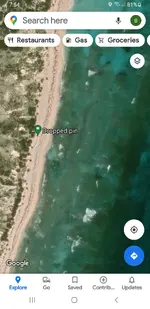
This is for SADS....I started in the 90s with Google earth.....staring at the ocean from space. I would often try and capture my screen in a photo back then before smart phones could take a screen shot. In the beginning I didn't know how to read this information, but 30 some odd years later I have figured ways to monitor and decipher these images with the best out there !! I have watched known treasure sites for many decades now and have learned the rythem of sand and grass movement, even to the point of finding the ancient damage to reefs created by shipwrecks. Here is an example of sleuthing and how I figure things from long term observation. This is one of many anomalies on or around inagua Island. This is a great example of how things would generally go for vessels from any age or time period that stray to close to inagua, or little inagua. The reefs are so close to shore, and the water is so deep so close to land, that I don't doubt that these wrecks have been thrown high and dry right on the beach. In the first picture I haven't highlighted anything but the obvious path of damage can be seen leading into the beach.
 obviously you have to open these images. Much information can be gleaned from these images. This is a great example of how most wrecks would take place, and im always amazed at just how far inshore these wrecks end up. In the second shot I've highlighted in red the trail beating through the reef and beach rock. The green circle is showing the spot where the bottom has beaten out of the boat and she bilged. The rest of this hulk has smashed its way all the way to shore. I believe it sat there in the trough for many years before being lifted up and out and deposited by high water where we see it in this image. It is almost certainly wood to be deposited that high on the beach. I can tell from the disturbance in the sea weed line that it was thrown up on the beach about the time the image was captured. How old is it
  Who knows...probably newer but you just never know until it boots on the ground.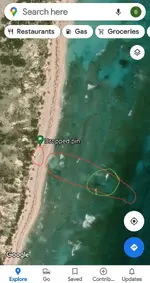
My buddy says it can't be old because its white....I have been fooled by bleached wood before !! Sand shifts so fast in the islands that you just never know !!
obviously you have to open these images. Much information can be gleaned from these images. This is a great example of how most wrecks would take place, and im always amazed at just how far inshore these wrecks end up. In the second shot I've highlighted in red the trail beating through the reef and beach rock. The green circle is showing the spot where the bottom has beaten out of the boat and she bilged. The rest of this hulk has smashed its way all the way to shore. I believe it sat there in the trough for many years before being lifted up and out and deposited by high water where we see it in this image. It is almost certainly wood to be deposited that high on the beach. I can tell from the disturbance in the sea weed line that it was thrown up on the beach about the time the image was captured. How old is it Who knows...probably newer but you just never know until it boots on the ground. My buddy says it can't be old because its white....I have been fooled by bleached wood before !! Sand shifts so fast in the islands that you just never know !!